
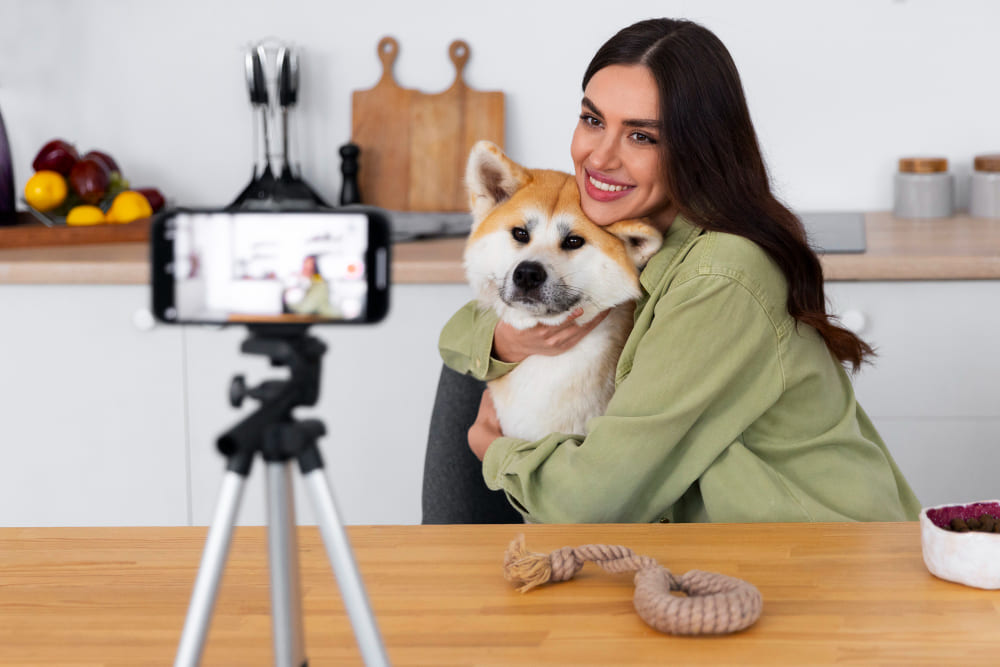
Pets are full of personality, and capturing their unique expressions on camera can be both fun and challenging. Whether you’re a professional photographer or a pet parent with a smartphone, learning the art of pet photography ensures you preserve those spontaneous, heartwarming moments for years to come.
1. Know Your Pet’s Personality
Understanding your pet’s behavior is the first step. Some animals are calm and pose naturally, while others are energetic and unpredictable. Observe how they interact with toys, treats, or other animals, and plan your shots around these natural behaviors.
2. Use Natural Light
Whenever possible, shoot in natural light. It highlights your pet’s features without harsh shadows or red-eye. Early mornings or late afternoons provide soft, golden light that works beautifully for portraits.
3. Get on Their Level
Shooting from your pet’s eye level creates more engaging and intimate photos. Kneel, lie down, or place the camera at their height to capture the world from their perspective.
4. Focus on the Eyes
The eyes are the window to your pet’s personality. Ensure the eyes are in sharp focus to convey emotion and bring your photos to life.
5. Capture Action Shots
For energetic pets, fast shutter speeds and continuous shooting modes help freeze motion. Whether your dog is catching a frisbee or your cat is pouncing on a toy, action shots capture their natural energy and spontaneity.
6. Use Treats and Toys Strategically
Incorporate treats or favorite toys to grab attention and encourage specific poses or actions. Be patient, and use them sparingly to avoid overwhelming your pet.
7. Embrace Candid Moments
Some of the best shots are unplanned. Let your pet explore naturally while you keep your camera ready. Candid moments often reveal the most authentic expressions and behaviors.
8. Background and Composition
Choose simple, uncluttered backgrounds to keep the focus on your pet. Experiment with different angles, framing, and depth of field to create visually appealing images.
9. Edit Thoughtfully
Post-processing can enhance your photos but avoid over-editing. Adjust lighting, contrast, and sharpness to highlight your pet’s features while maintaining a natural look.
10. Be Patient and Have Fun
Pet photography requires patience and flexibility. Keep sessions short and playful, and always prioritize your pet’s comfort and safety. The more relaxed and happy your pet is, the better your photos will turn out.
Final Thoughts
Pet photography is about capturing personality, emotion, and the little quirks that make each animal unique. By combining preparation, creativity, and patience, you can create stunning images that tell your pet’s story and preserve memories for a lifetime.